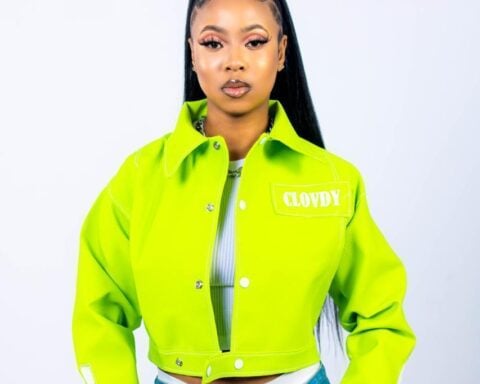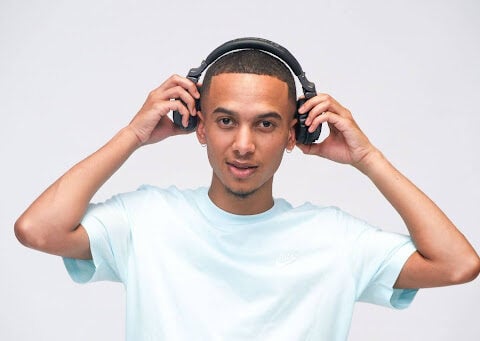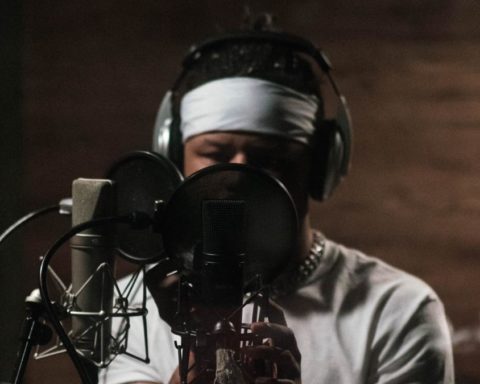

In a genre known for speed, virality and constant reinvention, AnchorBee has chosen a different path.
While Amapiano continues to expand across continents and timelines shorten between breakout moments and burnout, the Soweto-born DJ and producer is building something slower and far more deliberate. Her journey is not driven by hype cycles. It is driven by mindset.
AnchorBee grew up in an environment that demanded resilience long before she ever entered a studio. Township life does not romanticize struggle. It conditions you to adapt, to think ahead and to remain steady when circumstances shift. Those early lessons now shape the way she approaches music and business alike.
Her stage name, derived from her own, has grown into something symbolic. An anchor stabilizes. It holds weight. It prevents drift. In an industry where artists can easily lose themselves in trends, the name functions as a reminder to remain grounded.
That philosophy is not theoretical. It is personal. As she puts it, “I will never change the way I am as Bianca or as AnchorBee, I would never change my sound but I’ll stick to my roots although I don’t mind being versatile and adapting to any changes the game might have regarding music, I’ll definitely keep up with the trends but I’ll never leave this sound no matter how hard it is or how discouraged I am.”
That grounding is visible in how she releases music, how she performs and how she speaks about her career. Nothing feels rushed. Nothing feels detached from identity.
When Passion Becomes Responsibility
Every creative professional reaches a moment when passion must evolve into commitment. For AnchorBee, that moment came with the release of her first single. The experience transformed music from something she loved into something she felt responsible for.
The studio became a place of structure rather than experimentation. She began to see output, audience reception and long-term positioning as interconnected. That shift in perspective marks the difference between participation and ownership.
Her Filha Do Piano EP became a defining chapter in that evolution. The project encountered unexpected technical challenges that disrupted her initial plans. For many emerging artists, such setbacks create doubt. For her, they created resolve.
Her music often reflects lived experience. Speaking about one of her upcoming releases, she explains, “Empini… basically talks about the struggle in our lives and how much we need to pray against all the bad things and bad energies that are around us.”
That statement reveals more than artistic inspiration. It reveals a worldview. Hardship is not something she separates from her sound. It is embedded within it.
Even her track Lovey carries intentional meaning. “Lovey is a love song and it’s basically something that we live with and everybody deserves love. It’s a beautiful love song and I think it still needs to go out there and do the most.”
In fast-moving creative economies, emotional discipline often determines longevity more than talent alone. For AnchorBee, discipline is not abstract. It is shaped by lived experience and reinforced by purpose.
Sound as Identity
AnchorBee’s music carries a strong sgidongo and iSgubu edge within the broader Amapiano framework. The basslines are assertive. The log drums are unmistakable. Yet what defines her production is not volume. It is control.
Growing up in Soweto and creating in Johannesburg, she draws directly from the city’s raw energy. When asked how that environment shows up in her music, she points to the subgenres that shaped her foundation.
“I think in the sub genres of piano like boots is uniquely tied to South African roots because that’s the sound that producers like ShakaMan came up with and it got exposed which it originates from Sgidongo that hard bass sound to be specific. Also the log drum we use in ways that you can hear it’s from the hood.”
These elements are not aesthetic add-ons. They are lived references. The way the log drum hits, the weight of the bass and the groove patterns all carry traces of the hood that shaped her.
Her collaborative choices also reflect intentional alignment rather than convenience. “The reason why I’m working with these artists it’s because they align or correspond with the type of music that I play… I push their songs a lot on my gigs,” she explains, referencing collaborators such as Mdu aka TRP, TribeSoul and Tots.
This is strategic community building. She collaborates with artists whose sound she genuinely supports, then amplifies their work in her sets. It is an ecosystem approach rather than a transactional one.
Legacy, Representation and the Long View
Working alongside respected artists such as Mdu aka TRP has provided mentorship and perspective, but AnchorBee is clear that influence is a foundation, not a shortcut. Guidance may shape you, but vision must be your own.
As a female DJ and producer in a space that has historically under-recognized women, she understands the weight of representation. Visibility alone is not enough. Sustained presence matters. For her, success carries responsibility.
She speaks directly to the next generation, particularly young Black creatives coming from environments similar to hers. Her message is simple and unapologetic: you can do it, Black child. It is not a slogan. It is lived proof. From playing rhythms on classroom desks to producing sgidongo-driven tracks that resonate across dance floors, her journey reflects what becomes possible when belief meets discipline.
Her commitment to roots, to sgidongo, and to Soweto is not nostalgia. It is positioning. She intends to expose these sounds to broader audiences without diluting their origin. She wants producers from the hood to be seen, respected and properly recognized for the culture they continue to build.
In an industry that rewards speed, she is committed to sustainability. In a culture that often celebrates instant impact, she values gradual growth. And in a genre defined by movement, she has chosen to anchor herself first.
That choice may ultimately be her greatest advantage.