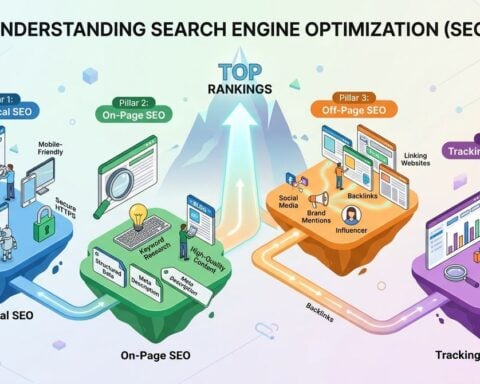
Search optimization strategies often prioritize historical keyword data and static search volumes. While keyword research tools provide a valuable baseline for customer interest, they reflect past behavior rather than unfolding reality. Editorial teams that rely solely on delayed keyword data miss the

Search engines and readers have grown increasingly skeptical of superficial online recommendations. When consumers look for advice on what to buy or how to evaluate a complex topic, they want clear proof that the content comes from methodical research rather than rushed
First impressions of a commercial office park, retail plaza, or hospitality venue begin at the curb long before a client steps through the front entrance. Well-tended lawns, shaded courtyard seating, and seasonal flower beds project organizational competence and create a welcoming environment
Search behavior mirrors economic realities. When household budgets tighten and consumers reassess everyday spending, their search queries shift away from aspirational discovery toward practical problem-solving. Digital marketing professionals and editorial teams must recognize these behavioral patterns early to keep their content calendars
Publishing websites thrive when editorial planning and technical infrastructure move in the same direction. Yet in many digital publications and marketing departments, developers and content writers operate in separate silos. Writers produce articles focused on audience interest, seasonal demand, and keyword exploration,
Managing an editorial website with an expansive scope presents unique challenges for search engine optimization. Many digital publishers build platforms designed to cover multiple facets of modern life, ranging from enterprise leadership and commercial operations to lifestyle trends and daily news updates.
Many digital marketers and search engine optimization practitioners rely almost exclusively on dedicated keyword databases to plan their editorial calendars. While standard keyword databases are useful for measuring established search volume, they inherently look backward. They report on terms that people have
Many digital publishing teams struggle to connect functional search intent with broader lifestyle branding. A reader hunting for a solution to a stubborn fabric wrinkle, a disorganized morning routine, or a quick way to clean delicate footwear usually wants an answer in
Modern wardrobe searches rarely happen in isolation. When individuals look for clothing inspiration online, their queries are frequently caught between two competing priorities: staying current with contemporary aesthetics and maintaining professional credibility in an office environment. For digital marketing teams and lifestyle
Publishing teams in the fashion and lifestyle space face an ongoing dilemma. Social feeds reward viral moments, striking red carpet photos, and rapid commentary that burns bright briefly before disappearing from public consciousness. Search engines, by contrast, favor comprehensive resources that answer