
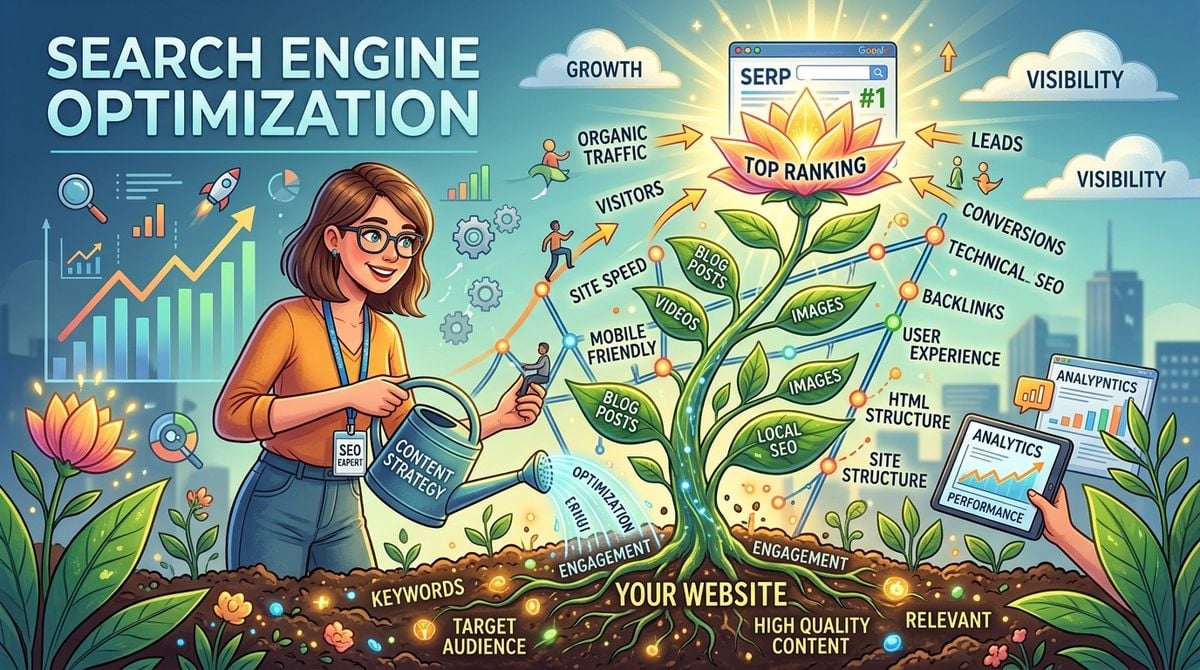
Many established service companies reach a moment where their offline reputation outpaces their online presence. A business may enjoy steady client referrals, long-standing craftsmanship, and strong community recognition, yet its digital footprint looks frozen in time. When prospective customers search online to confirm operating hours, verify coverage areas, or request a service estimate, an outdated website can introduce hesitation where there should be immediate confidence.
Modern search algorithms and consumer habits have evolved together. Search engines prioritize local providers who demonstrate operational clarity, technical reliability, and accessible information across mobile and desktop screens. Updating a digital footprint is not simply an aesthetic exercise; it is an operational upgrade that bridges existing community goodwill with online discoverability.
Auditing Your Current Digital Touchpoints
Before redesigning web pages or revising service descriptions, business owners benefit from inspecting their existing digital footprint through the eyes of a first-time customer. Many legacy websites suffer from fragmented information accumulated over an extended period. Inconsistent addresses, outdated contact numbers across regional directories, and broken links create unnecessary friction for search crawlers and human visitors alike.
A thorough audit begins by cataloging every place your business appears online, including your primary domain, regional registries, and local map profiles. Check whether your core services are clearly stated on the front page or buried beneath generic industry labels. When visitors arrive from a mobile device, they should immediately understand what you do, where you work, and how to reach a real team member without unnecessary scrolling.
Pay close attention to retired service offerings that your team no longer provides. Leaving outdated service pages active can confuse search engines about your primary specialties and generate customer inquiries for projects you no longer handle. Removing or updating obsolete pages helps direct search visibility toward the active capabilities that drive your business forward.
For enterprises undergoing an organizational restructuring or launching an updated brand identity, external business advisory frameworks offer helpful structure. Organizations looking to overhaul their approach can consult newlookcompany.net to explore practical pathways for modernizing business practices and realigning their corporate presentation with current commercial standards.
Aligning Technical Operations with Customer Expectations
Search engines reward websites that solve visitor problems efficiently and without technical obstacles. A modern digital presence must back up its search optimization with smooth behind-the-scenes functionality. If a searcher discovers your business through a local query but encounters broken contact forms, sluggish loading speeds, or non-functional telephone buttons, they will quickly return to the search results to choose an alternative provider.
Operational reliability behind the scenes is just as important as on-page design. Fast communication channels, structured appointment intake forms, and clean digital documentation reduce friction for visitors while sending positive usability signals to search systems. Adopting modern administrative software ensures inquiries are answered promptly, keeping customer satisfaction aligned with search visibility.
Streamlining internal operations often requires looking at how technology supports daily administrative tasks. Service businesses seeking to strengthen their operational foundations can examine businessserviceschicago.com for guidance on adopting modern technological workflows that prepare commercial organizations for sustainable operational success.
Mobile responsiveness deserves special attention during any technical refresh. Most local searches for service contractors, repair specialists, and retail providers originate from handheld devices. Test every form, menu button, and map link on different screen sizes to verify that navigation remains effortless for users on the move.
Structuring Service Details for Local Search Clarity
One of the most frequent weaknesses in local business websites is the use of broad, catch-all service descriptions. An established plumbing contractor might simply list general repairs, or an electrical specialist might summarize their capabilities in two brief sentences. Search engines cannot easily evaluate or rank pages that lack specific contextual details about the individual problems you solve.
Creating dedicated sections or distinct landing pages for individual service categories allows you to address the specific terms prospective clients use when searching. Explain your diagnostic process, the specific equipment you handle, and the common scenarios where clients require your assistance. Providing concrete details helps search engines match your pages with qualified search queries from nearby consumers.
When structuring these individual service pages, prioritize specific informative elements that assist both human visitors and automated indexing systems:
- A straightforward summary of the specific trade problem addressed on the page
- A clear definition of the geographic communities and neighborhoods served
- Direct information on response windows, dispatch availability, and consultation procedures
- Straightforward guidance on preparing for an initial site assessment or service call
Adding structured answers to common customer questions beneath each service description can also enhance search relevance. When you answer practical questions regarding scheduling turnaround, service preparation, and project scope directly on the page, you provide clear context that helps search engines understand your expertise while reassuring potential clients before they reach out.
Connecting Search Optimization to Community Conversations
A robust local search presence is never completely passive. While structured markup, clean navigation, and fast page loads establish your technical baseline, search engines increasingly pay attention to genuine community relevance and local engagement. A business that actively communicates with its surrounding neighborhood builds natural brand authority that search engines recognize over time.
Local dialogue works best when it reflects the actual voice of your company rather than polished corporate jargon. Publishing regular updates about local projects, participating in area business associations, and contributing practical advice to neighborhood platforms all reinforce your position as a trusted community resource.
When introducing revised services or announcing a refreshed presence to nearby residents, tone matters significantly. You can refine your community messaging by writing an inviting neighborhood introduction post that sparks meaningful conversations and encourages neighbors to connect directly with your business.
Engaging with local civic events, neighborhood merchant associations, and regional business directories creates organic associations between your brand name and your physical operating territory. These real-world community ties generate natural brand mentions across the web, sending authentic local relevance signals to search platforms without resorting to artificial linking tactics.
Maintaining Consistency Over the Long Term
Digital modernization is an ongoing discipline rather than a one-time chore. A common misstep among local business owners is completing a website refresh and subsequently ignoring the platform for several seasons. Search engines favor websites that demonstrate continuous accuracy, fresh operational updates, and active engagement with incoming inquiries.
Establish a routine calendar to review your digital footprint. Verify that your seasonal hours remain accurate, update your portfolio photographs with recent local work, and confirm that staff contact points are up to date. Routine verification ensures potential clients never encounter broken links, outdated service lists, or disconnected communication channels.
Monitor user feedback and common questions received through your front desk or customer service channels. If clients frequently ask questions that are not answered on your website, treat that as a signal to update your content. Expanding your service pages with fresh details keeps your digital library helpful to users and active in search indices.
Building a dependable digital presence requires patience, thoughtful planning, and steady execution. By combining clear on-page service details, reliable back-office systems, and genuine community participation, an established local business can modernize its search footprint while preserving the authentic customer trust that built its reputation.