
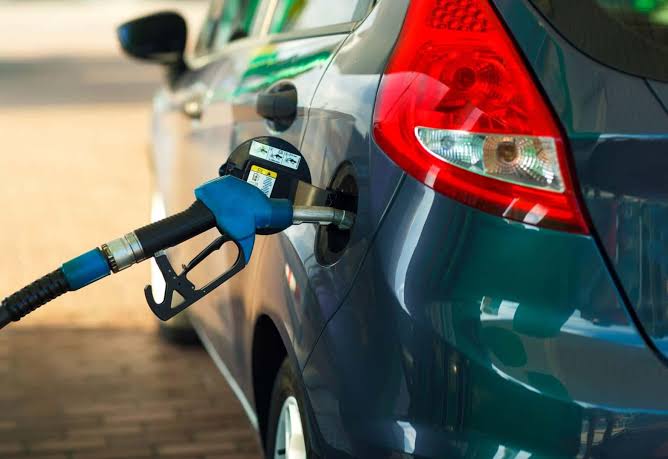
Fuel efficiency depends on many factors, including maintenance, tire condition, traffic, driving habits, and vehicle load. While drivers cannot control every factor, several simple practices can reduce unnecessary fuel consumption. The best approach is usually a combination of good maintenance and smoother everyday driving.
Keep Tires Properly Inflated
Tire pressure affects rolling resistance and handling. Underinflated tires may require more energy to move, while incorrect pressure can also contribute to uneven wear. Check tire pressure when the tires are cold and use the vehicle manufacturer’s recommended setting.
Maintain the Engine
Regular oil changes, filter replacement, spark plug service, and other scheduled maintenance help the engine operate as intended. A poorly maintained vehicle may not deliver the same efficiency as a properly serviced one. Follow the manufacturer’s maintenance schedule and address warning lights promptly.
Accelerate Smoothly
Frequent hard acceleration can increase fuel consumption. Smooth acceleration and anticipating traffic can reduce unnecessary changes in speed. Drivers can also avoid excessive braking by leaving enough space to respond gradually when traffic slows.
Avoid Excessive Idling
An idling engine uses fuel without moving the vehicle. When safe and practical, avoid leaving the engine running during long stationary periods. This is particularly useful during repeated short stops where extended idling provides little benefit.
Reduce Unnecessary Weight
Extra weight increases the effort required to move the vehicle. Remove heavy items from the trunk or cabin when they are not needed. Roof-mounted equipment can also increase aerodynamic drag, so remove unused accessories when appropriate.
Keep the Vehicle Aerodynamic
External accessories such as roof boxes, racks, or carriers can affect airflow. If these items are not needed, removing them may reduce aerodynamic resistance. Keeping windows and other exterior components in their normal operating position can also help maintain the vehicle’s intended efficiency.
Choose Suitable Replacement Parts
Worn or poorly matched components can affect vehicle performance. When replacing parts, verify compatibility with the exact vehicle. If you are researching maintenance or automotive upgrades, suppliers such as Aro Speed can be considered for suitable components.
Final Thoughts
Improving fuel efficiency does not require one dramatic modification. Correct tire pressure, regular maintenance, smooth driving, reduced idling, and sensible vehicle loading can all contribute to better everyday efficiency.
Small improvements become more meaningful when they are repeated consistently. A well-maintained vehicle combined with thoughtful driving habits can help reduce unnecessary fuel use over time. Consistent maintenance is often the easiest foundation for better efficiency.