
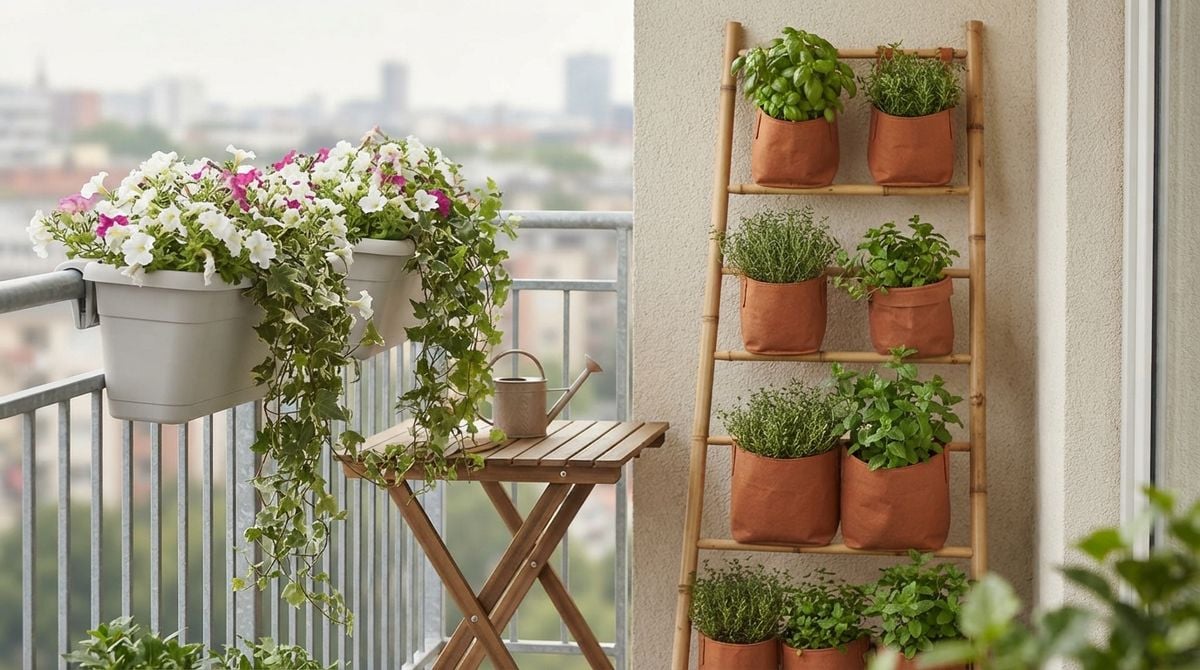
Garden maintenance is often associated with large yards, but many people with apartment balconies also need help keeping their plants healthy. A service that visits balconies, courtyards and small shared gardens can find steady demand among residents who have little time or limited experience with plants. Marketing such a service locally requires a different approach from marketing a large landscaping firm. This article describes practical steps for reaching apartment residents, building trust and turning first visits into long-term clients, without relying on expensive advertising.
Define the customer clearly
Begin by describing the typical customer in simple terms. Perhaps they live in a building with a shared outdoor area, have a balcony garden that needs regular watering and keep pets that share the space. Some may be older residents who can no longer carry heavy pots, while others are busy professionals who want their plants to look good without constant attention. A clear picture of the customer helps you choose the right message and the right channels.
Consider the building managers and property owners too. In some areas, residents cannot make decisions about shared gardens alone, and a building manager may be the person who signs off on work. Knowing who decides makes your approach more effective. Readers may also want to visit martin-bike.com.
Build trust before you ask for work
Trust matters more than polish when a stranger is asked to care for a balcony or a shared plot. Start by offering something useful and low-pressure. A short, free visit to check plant health, or a simple guide to watering in the local climate, can show your knowledge without making a sales pitch. Keep the guide short and practical, and make clear that it is general advice rather than a diagnosis.
Be careful with claims about pet safety and plant health. If you mention which plants are suitable near animals, check the information against reliable sources and suggest that owners confirm any concerns with a veterinarian. You can also visit learn2drive4free.com for more reading.
Use local channels that residents already trust
- Leave a clear, friendly notice on the noticeboard of each building you serve.
- Join or attend local community groups where residents discuss gardening and pets.
- Ask existing clients if they would share a recommendation with a neighbour.
- Offer a short demonstration at a local event, such as a plant swap or a pet fair.
- Share before-and-after photographs, with the client’s permission, on a simple listing page.
Local channels work because residents are already talking to each other. A notice in a shared hallway may reach more people than an advertisement in a distant publication, and a recommendation from a neighbour carries weight. Always ask permission before using a photograph of a client’s balcony, and keep client details private. Respect for privacy is part of professional service and protects your reputation.
Turn first visits into ongoing care
The first visit is a chance to show reliability. Arrive on time, explain what you plan to do, and leave the space tidy. Make a short written note of the plants you looked after, the tasks you completed and any issues that need attention. Send this note to the client, along with a clear suggestion for the next visit. Clients value the sense that someone is keeping track of their garden.
Simple printed materials can also support local marketing. A tidy card with clear contact details, a short list of services and a note about seasonal care can be left in a building entrance or handed out at a community event. For a related read on this site, see How a Teenager Can Write a Simple Flyer. Keeping the design plain and the wording practical helps residents remember the service and see it as trustworthy rather than pushy. Ask neighbours to pass the card on only if they feel comfortable doing so, which keeps the approach friendly. Track which channels bring the most enquiries, so future effort goes where it is most useful. A short thank-you message after each new client also builds goodwill. Keep the message brief and sincere.
Offer a simple schedule that fits typical balcony needs, such as watering, tidying, checking for pests and refreshing soil in the right season. Explain the cost structure clearly, and avoid vague promises about results, since plant health depends on light, weather and the client’s own habits. Regular communication, a reliable schedule and honest advice are the foundations of a local service that grows through word of mouth. Ask each client how the service could be improved, and note the answers in the same place as the visit records. Small improvements, made visibly, often earn the most loyalty. For questions about business registration, insurance or pricing rules, a qualified accountant or business adviser can provide guidance suited to your area.