
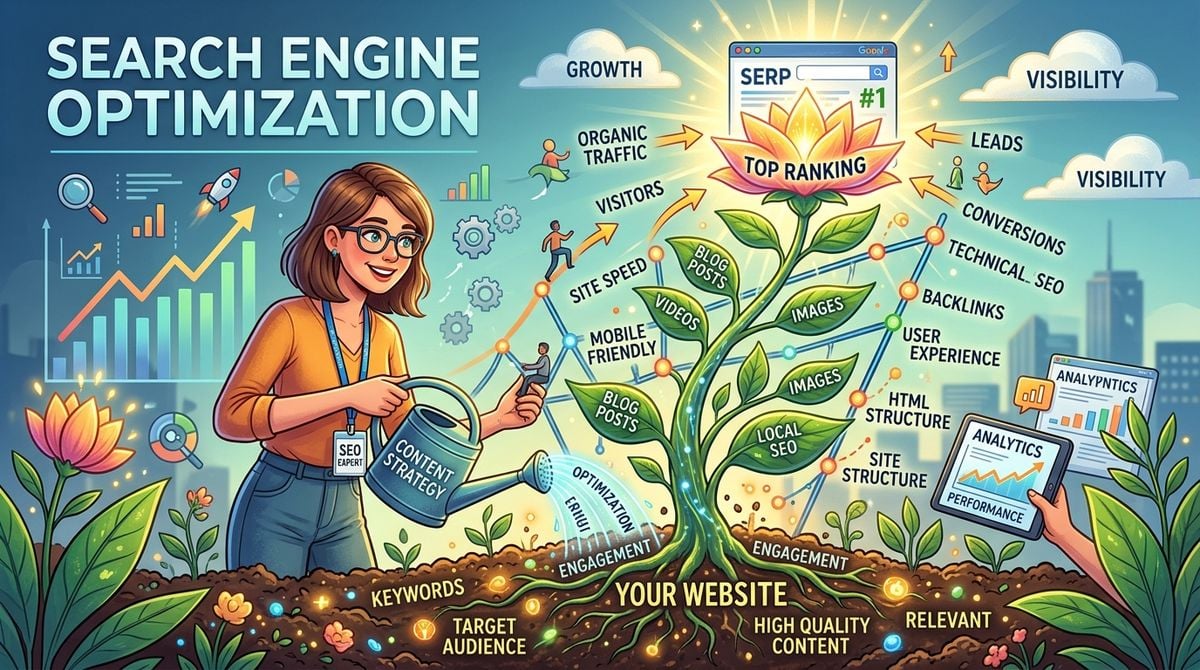
Publishers in visual lifestyle spaces often encounter a frustrating disconnect between aesthetic presentation and search performance. A website can showcase exquisite photography, thoughtfully composed spaces, and clean design, yet struggle to attract steady organic search traffic. Search engines rely on machine-readable text, structured data, and clear topical relationships to understand search intent, while visual audiences prefer clean layouts free from dense walls of text.
This tension often leads content creators to make unnecessary compromises. Some sites bury striking imagery under excessive introductory paragraphs that frustrate visitors, while others strip out copy entirely, effectively hiding their visual assets from search engine crawlers. Neither approach creates a sustainable editorial model for long-term organic growth.
Bridging this divide requires treating visual collections as intentional search assets. When digital marketers understand how search algorithms process layout relationships, asset metadata, and thematic grouping, they can turn passive image browsing destinations into high-performing organic channels. Achieving this balance involves thoughtful page architecture, intentional copywriting, and an appreciation for how visual search intent differs from standard informational queries.
Understanding How Search Engines Interpret Visual Collections
When a search crawler visits an image gallery, it encounters raw media files rather than an intuitive visual story. Image file names and pixel dimensions provide minimal semantic context on their own. Without surrounding editorial guidance, search engines cannot easily discern whether a photograph illustrates a modest DIY bathroom renovation, an architect-designed commercial concept, or a luxury furniture catalog.
Contextual grouping resolves this ambiguity. Rather than publishing dozens of unrelated photographs on a single sprawling page, experienced editors organize visual assets into clear thematic collections defined by room type, architectural style, and functional intent. A dedicated curation hub like Groliehome demonstrates how organizing photo collections across defined spaces, such as kitchens, bedrooms, bathrooms, and living rooms, establishes clear topical boundaries that search crawlers can evaluate accurately.
When visual pages align with specific functional areas, search engines can pair targeted search queries with dedicated destinations. A homeowner looking for small kitchen storage layouts finds immediate answers on a page focused exclusively on compact cabinetry and pantry ideas. Conversely, an unstructured gallery forces users to sift through unrelated rooms, leading to quick exits that signal search dissatisfaction. Clear visual categorization satisfies intent immediately upon arrival.
Pairing Visual Inspiration with Practical Problem Solving
A recurring mistake on lifestyle websites is treating imagery purely as aesthetic inspiration. High-performing editorial platforms recognize that an inspiring image rarely concludes a user journey; it starts one. A visitor admiring a photograph of an open-concept living area inevitably develops follow-up questions regarding spatial flow, wall colors, material durability, and lighting placement.
Addressing these considerations transforms passive image browsing into an active informational resource. Educational platforms such as hellotalja.com illustrate the value of delivering practical advice designed to help everyday homeowners turn design concepts into manageable improvements. Integrating direct explanations alongside visual showcases answers the broader search questions that accompany visual curiosity.
Editorial teams can capitalize on this behavior by positioning concise explanatory commentary directly alongside gallery segments. These short editorial notes should explain why a particular spatial arrangement works, what materials were selected, and how common renovation challenges were resolved. Providing this context satisfies informational queries while naturally embedding relevant terminology that helps search engines understand the subject matter.
Structuring Descriptive Metadata for Visual Assets
Metadata serves as the primary communication channel between image assets and search engine indexing systems. Even as computer vision systems continue to evolve, search engines still depend on well-structured textual metadata to confirm what an image depicts and how it relates to surrounding content.
Alternative text should provide an accurate, concise description of the image subject rather than acting as a repository for repeated search keywords. An effective description identifies the room type, focal architectural features, lighting orientation, and key materials. In addition, surrounding figure captions and heading tags offer visible context that aids both human readers scanning the page and automated crawlers parsing content hierarchy.
Maintaining consistent metadata across extensive image archives requires an organized editorial routine. Editorial teams should ensure that every uploaded asset adheres to a concise checklist:
- A descriptive file name reflecting the specific subject rather than a default camera label
- Concise alternative text describing the setting, primary materials, and room style
- A visible caption explaining the practical takeaway or design principle shown in the image
- Properly configured dimensions to preserve page layout stability while media assets load
Establishing these baseline attributes prevents indexing gaps across extensive photo libraries and ensures that search crawlers capture complete contextual signals during routine passes.
Establishing Editorial Standards for Visual Reviews and Guides
As visual publications expand from general design inspiration into product evaluations and buying recommendations, editorial consistency becomes paramount. When a gallery highlights specific materials, furnishings, or hardware, readers expect clear reasoning behind each featured selection.
Without transparent selection standards, recommendation galleries can appear arbitrary, eroding reader confidence and reducing engagement. Content creators can consult our guide on clear evaluation rubrics for review sites to establish systematic guidelines that keep product selections grounded in objective assessment.
Transparent evaluation criteria also enhance organic search relevance. When an article explains why a specific surface material or lighting fixture was chosen based on durability, maintenance ease, and design adaptability, the copy naturally incorporates nuanced topical associations that search algorithms recognize as comprehensive topic coverage.
Designing Internal Link Pathways Between Galleries and Deep Guides
Image galleries should never exist as isolated destinations on a website. When a visitor finishes reviewing a visual collection, the page should offer intuitive pathways toward related technical tutorials, planning checklists, or complementary galleries.
A well-planned internal linking network distributes authority across a publication while guiding visitors through logical discovery paths. For example, a visual gallery focusing on minimalist bathroom vanities can naturally link to a practical installation guide, which in turn links to a collection of storage organization ideas.
This bidirectional structure between visual collections and comprehensive informational articles reinforces topical authority across related themes. Search engine crawlers can traverse the site structure effortlessly, recognizing the relationship between high-level aesthetic ideas and detailed practical execution guides.
Aligning visual presentation with structured editorial content creates an experience that satisfies both human readers and search algorithms. By treating image collections as structured informational assets rather than mere decorative elements, digital publishers can build durable organic visibility that supports long-term growth.