
The payment processing industry looks the same on the surface. The card networks have not changed. Interchange has not been rewritten. The plastic in a customer’s wallet still works the way it did in 2014. Underneath the surface, the model has shifted.
Legacy processors built their growth on three pillars. Long contracts. Tiered pricing. Phone-based renegotiation. The pillars worked because owners did not have time to question them. The phone calls happened on schedule. The contracts auto-renewed. The fees crept up year by year, in small increments that never tripped a mental alarm.
The new wave operates on a different set of assumptions. Month-to-month terms. Interchange-plus pricing. Self-service onboarding. The new entrants assume that the customer will run an audit, and they price as if the customer is paying attention. Most of the market is now paying attention.
LastPay, co-founded by Austin Diaz and Max Umlas, sits inside that new wave. The product was built for owners who would rather see the statement than hear a sales call. The audit is the pitch. The savings are the proof. The contract length is short on purpose, because the company would rather earn renewal than lock it in.
The technical differences are real, too. Legacy processors tend to live outside the customer’s accounting stack. Reconciliation requires manual work. Funding speeds reflect a decade-old infrastructure. Statements run multiple pages and require a glossary.
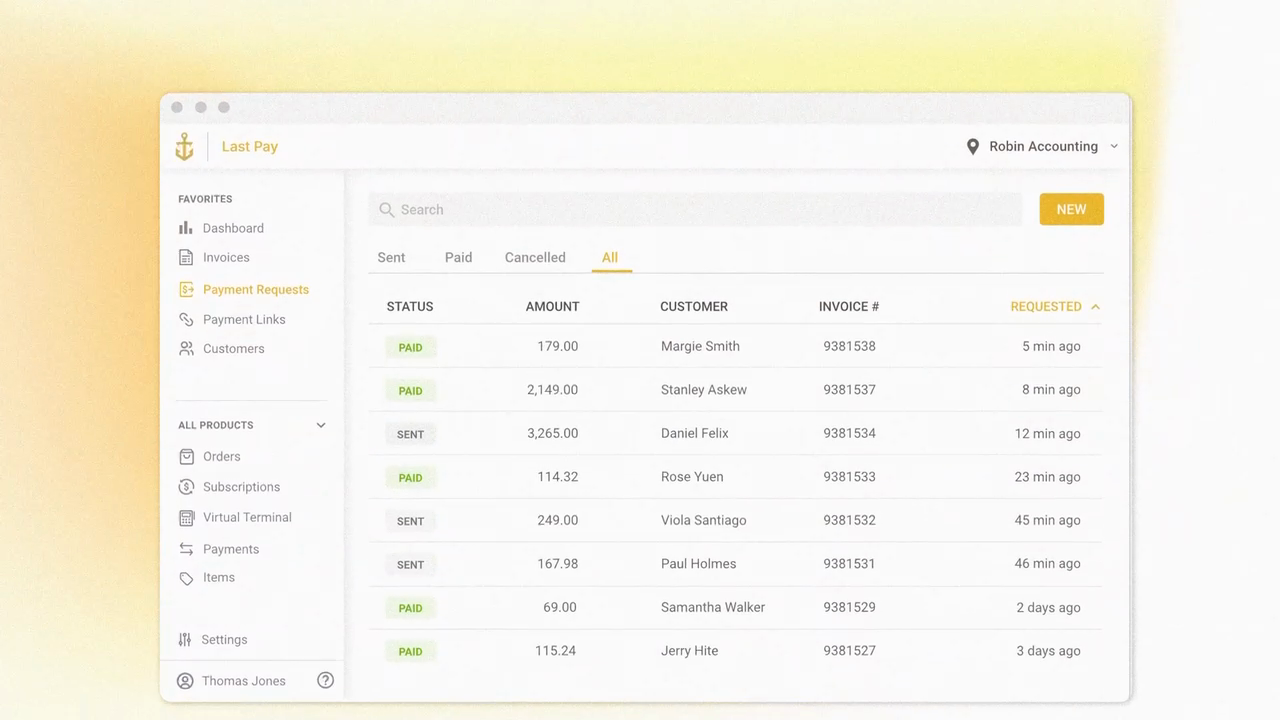
Modern processors live inside the customer’s stack. LastPay’s QuickBooks integration is bidirectional and synchronous. Reconciliation runs without human input. Settlement times match the rest of the software industry. Statements fit on a page and use plain English.
The economic difference matters more than any of the above. The savings between a typical legacy quote and a typical new-wave quote on the same volume is rarely small. It is often the difference between a hire and no hire. It is often the difference between an annual bonus pool and an annual budget cut.
Legacy providers will hold their largest accounts for years. Switching costs at scale are real. Below the enterprise tier, the change is happening fast. Owners who would not have considered a new entrant five years ago are signing this year, because the math has gotten too obvious to ignore.
Customer behavior has changed alongside the products. Owners under forty pull statements. They run their own audits. They post savings comparisons on LinkedIn. The legacy retention playbook, which depended on a vendor controlling the conversation through a phone call, no longer holds in that segment. New entrants compete on the assumption that the customer will read every line.
Contract terms have moved with the rest. Long contracts and early termination fees were standard for years. Modern processors offer month-to-month terms because they expect to earn the renewal. A vendor who insists on a multi-year contract today is making a statement about its confidence in its own pricing. Owners can read that statement.
The change is not ideological. It is competitive. Legacy providers built a business model on the customer’s inattention. New entrants built a business model on the customer’s attention. Whichever model better fits how the customer behaves over the next five years is the model that wins. The customer is paying attention now.
Service quality has shifted with the rest. A decade ago, support meant a queue and a ticket number. The new wave runs support the way modern software companies run it. Real-time chat, named account contacts for larger customers, and documented response times. The hour spent waiting on hold for a billing question is not a feature owners signed up for. It was the price of doing business in the legacy model. The new model has retired that price.
The product the industry calls ‘modern’ is not exotic. It is the version of the product owners assumed they were buying the whole time.
For a closer look at the platform, watch Introducing LastPay on the LastPay YouTube channel.